Why South Coast Controls
Years in industrial automation
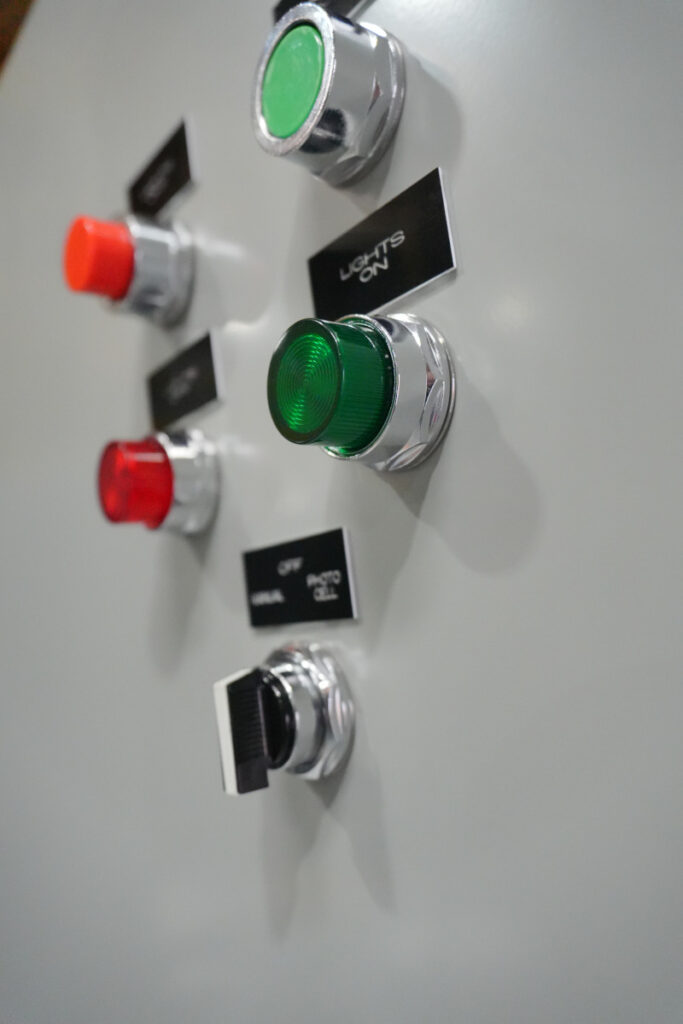
We design to your drawings or from a scope—schematics, BOMs, panel layout. Same UL/ISO process as our other control panels.
Built to your requirements
Shift-based schedules, zones, photocells, occupancy inputs. We handle design, fabrication, and wiring; you get a panel ready to land power and field devices.
Typical lighting load reduction
Scheduling, daylight harvesting, and occupancy control usually cut lighting energy 30–40% vs. always-on. Lower demand, longer fixture life; payback depends on rates and hours.
Energy Reduction
Years Experience
Custom Solutions
Panel capabilities
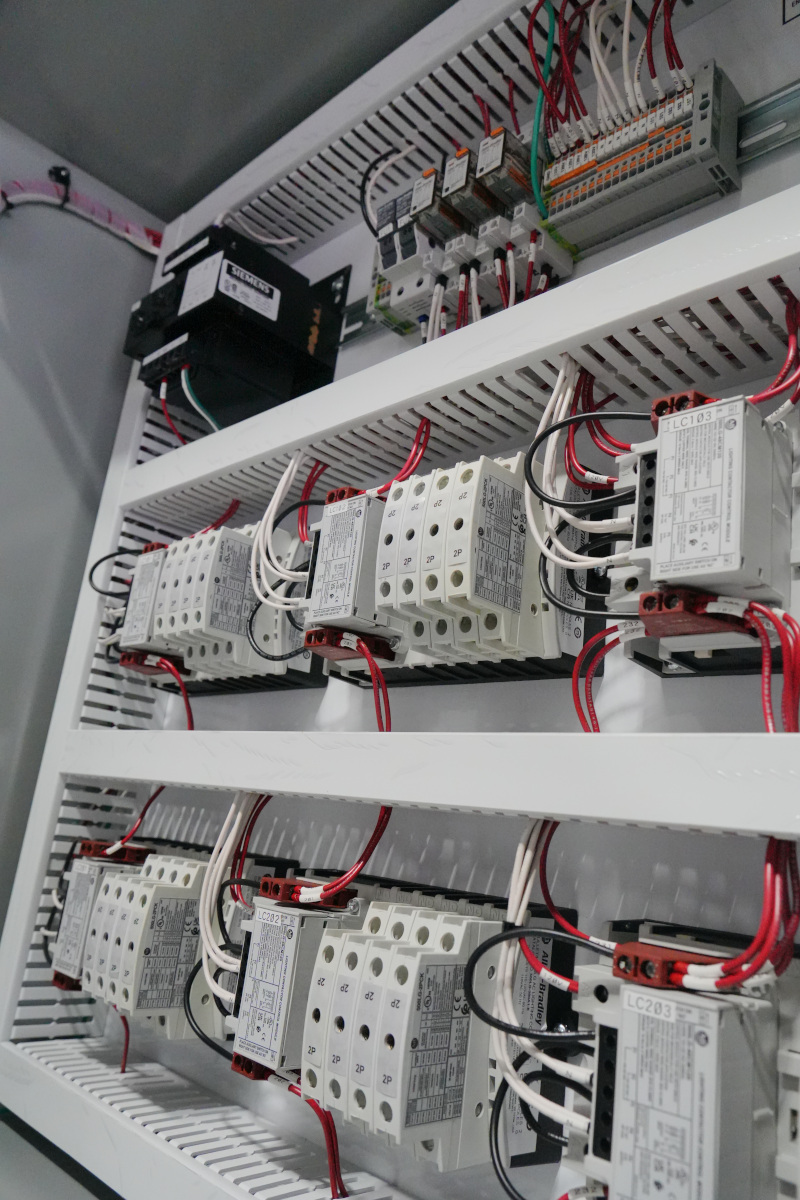
Scheduling & zoning
Time-based schedules by shift or calendar. Discrete zones so you can turn off unused areas. Programmable at the panel or via BMS/SCADA integration.
Daylight harvesting
Photocell or daylight sensors drive dimming or switching. Maintain target foot-candles while cutting artificial load when natural light is sufficient.
Occupancy
PIR or ultrasonic occupancy sensors per zone. Configurable time delays; on/off or dim-to-min. Lights off when areas are unoccupied.
Remote monitoring & control
Optional network or cloud interface for setpoints, overrides, and alarms. Integrates with existing BMS or runs standalone.
Emergency lighting
Emergency lighting control per NFPA 101/LEPC. Battery backup and egress lighting logic integrated with normal lighting where required.
Industries we serve
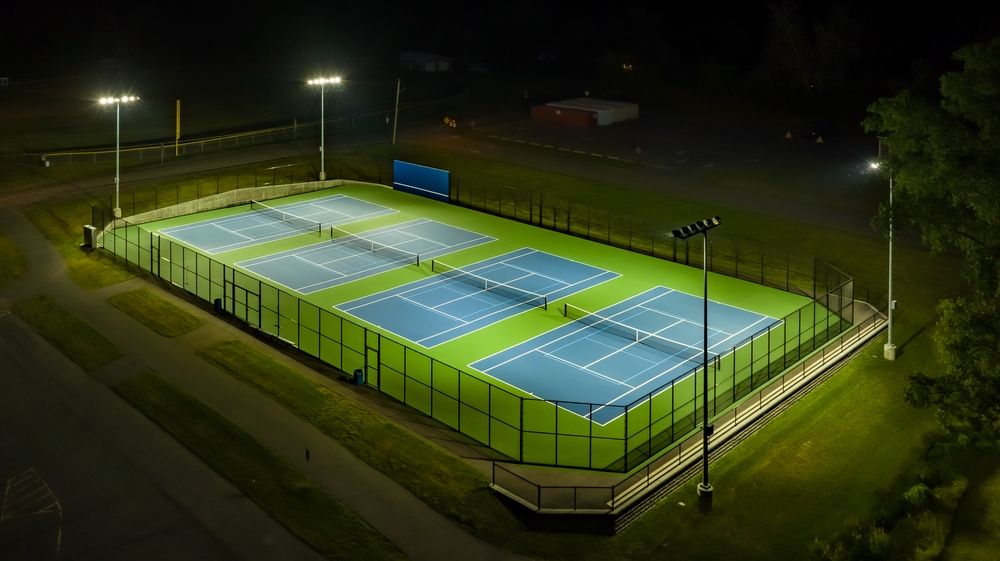
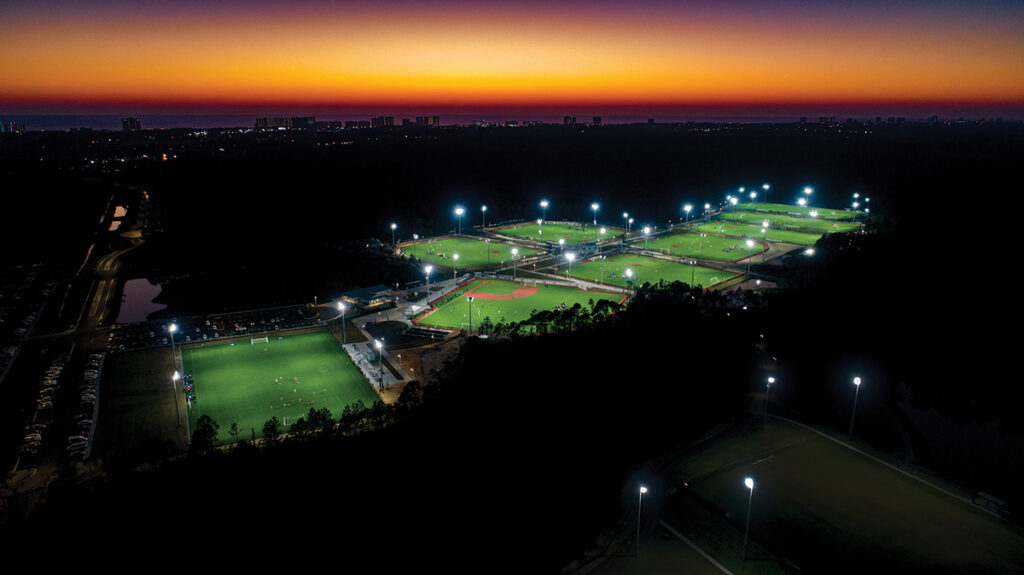
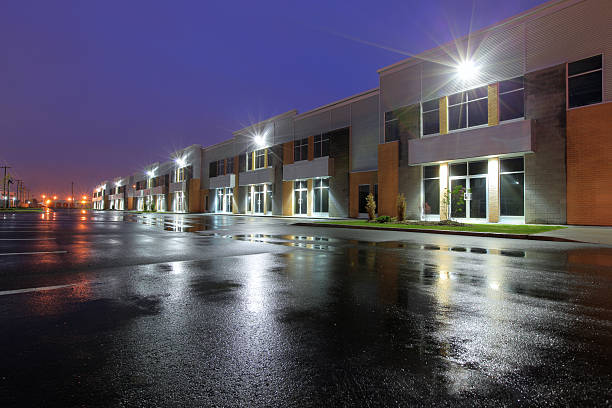
We design and build lighting control panels for the sectors below. Same UL/ISO process as our other control panels—custom to your site and standards.

UL listed
Design and fabrication per UL 508A, 698A, and 1203. Panels for general industrial and hazardous locations.

ISO 9001:2015
Certified QMS and manufacturing. Same documentation and traceability as our other panel work.
ISO 9001:2015Outcomes after commissioning
What you can typically expect:
- 30–40% reduction in lighting energy vs. always-on; payback depends on rates and run hours.
- Fewer run hours and controlled dimming extend ballast and fixture life.
- Maintained light levels and egress compliance (NFPA, OSHA) where required.
- Consistent illuminance and fewer dark zones; optional tunable white for shift work.
- Centralized status and alarms; identify failed fixtures or zones without walking the floor.